A Software Engineer's Winding Path
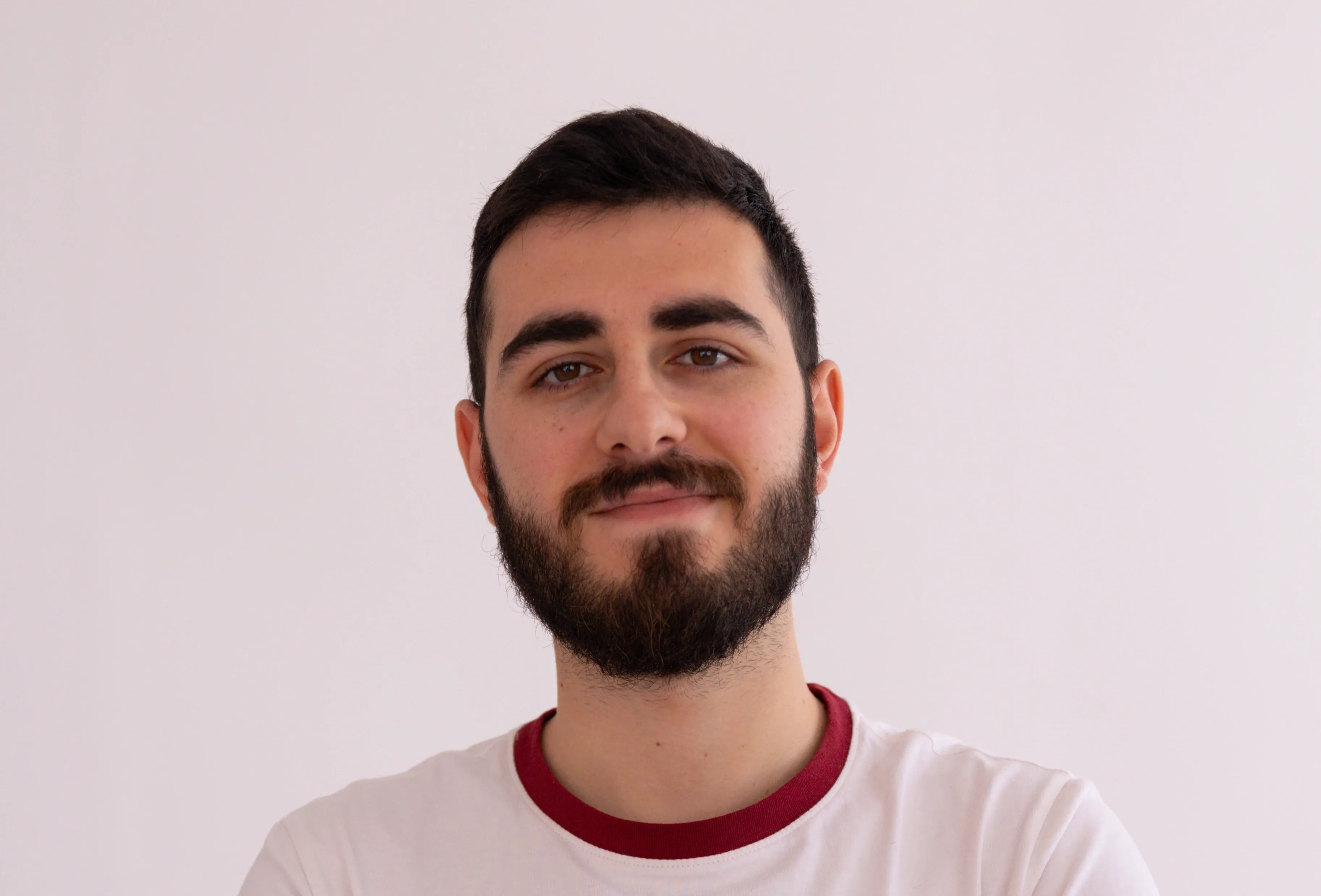
When you go to high school and university, you learn to memorize words, sentences and equations. You hardly ever learn why you need to know them; you just learn them by heart and hope you pass the subject. I was once a physics bachelor student who, fascinated by documentaries and films, decided it was a good idea to apply to one of the most complex careers out there. Math and physics are sort of rigid: the world objectively works in one way and, even if it can have different interpretations, reality is always the same. I realized I was more creative and that my mind was not built for gigantic equations.
It was precisely that frustration that led me to discover something different. When I took the IT subject in physics, I realized it was my thing. You could virtually create infinite realities, simulate within them and generate a lot of value through programming. That is when I decided to enroll in Computer Engineering, choosing software engineering over branches like cybersecurity or hardware, because I wanted to contribute to society by designing code that could be almost instantly translated into something visual, like a website or a simulation.
Software engineering is the art of solving problems applied to software development, covering frontend, backend and databases. It is hard at times, constantly evolving and we can feel overwhelmed more often than we should. Not only do we need to make functionality work, but we must do it in a well-structured and documented way, because we are not working alone. This is something you learn the hard way, as collaborative work is rarely emphasised at school or university.
After around two years at the university working mostly on client projects, a new opportunity showed up: a Data Science master’s degree that let me explore AI, statistics, machine learning and Large Language Models. It was refreshing and I enjoyed every step of the process.
Then another opportunity came, related to renewable energy: the TWEED project, where I am now. It has been a year since I enrolled and it feels exciting to advance in the wind energy field and bring added value to ANNEA by applying the knowledge I have been acquiring.
Developing a Virtual Wind Farm Hub, a platform that centralizes and processes wind farm data to support smarter energy decisions, feels like a meaningful way to culminate my PhD in two years’ time. I hope it helps whoever comes next to keep pushing wind energy and renewables forward.